
Maharashtra Board Class 6 History Chapter 9 Ancient Kingdoms of the South Question Answers and Notes
Chapter 9 – Ancient Kingdoms of the South
🔹 1. Can You Tell?
(1) Whose name did the Satavahana kings write before their own?
Ans: Some of the Satavahana kings wrote their mother’s name before their own.
(2) What was the ancient name of Kolhapur?
Ans: The ancient name of Kolhapur was Kuntal.
🔹 2. Complete the Table by Reading the Map in the Lesson
| Dynasty | Capital / Important Centres |
|---|---|
| Pallava | Kanchi |
| Chalukya | Aihole, Badami, Pattadakal |
| Satavahana | Ajanta, Ellora, Nashik, Bhokardan |
🔹 3. Tabulate the Following Names as Dynasties and Their Capitals
| Dynasty | Capital |
|---|---|
| Satavahana | Pratishthan |
| Chalukya | Vatapi |
| Pallava | Kanchipuram |
| Pandya | Madurai |
🔹 4. Observe the Pictures and Write What You Learn
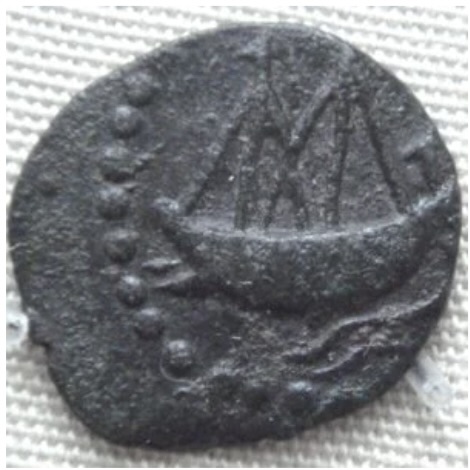
(1) A Satavahana Coin with a Ship’s Image
This coin has the image of a ship carved on it. It belonged to the Satavahana dynasty. The ship’s image shows that trade and commerce were well developed during that period. Ships were used for export and import. These coins help us understand the economic prosperity of the dynasty. They also show the artistic skill of the people.
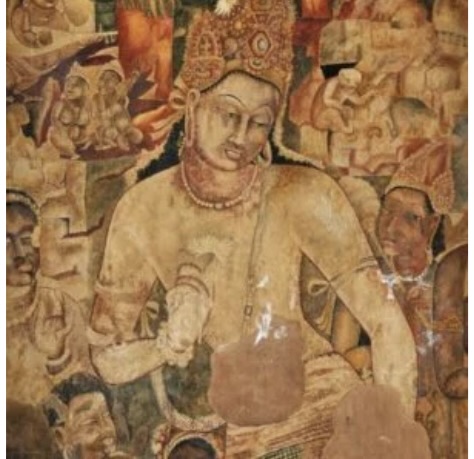
(2) Bodhisattva Padmapani – Ajanta
This is a famous painting from the Ajanta caves, which belonged to the Vakataka dynasty. It reflects the religious beliefs of that time. Varahadev, a minister of the Vakataka king, was a follower of Buddhism. The painting shows Bodhisattva Padmapani, who represents compassion and spiritual achievement. It tells us about the strong faith and dedication of the Buddhist people during that period.
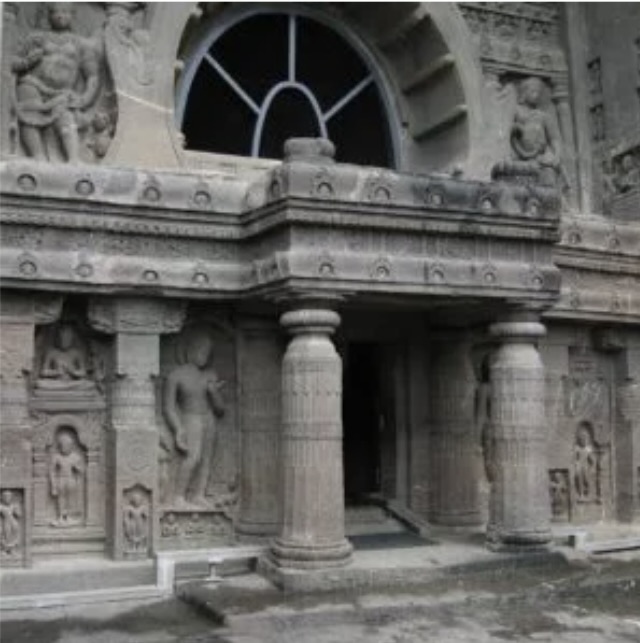
(3) A Cave at Ajanta
The Ajanta caves, belonging to the Vakataka dynasty, are excellent examples of ancient Indian art and architecture. These beautiful caves reflect Buddhist culture and religious practices. They show the advanced artistic skills and cultural richness of that time.
🔹 5. Answer in One Sentence
(1) Name the ancient dynasties of Southern India.
Ans: The Chera, Pandya and Chola dynasties were the ancient dynasties of Southern India.
(2) After the decline of the Maurya Empire, which local kings became independent?
Ans: After the decline of the Maurya Empire, local kings in Maharashtra, Andhra Pradesh and Karnataka became independent.
🔹 6. Answer in Brief
(1) Write about the achievements of Mahendravarman.
Ans:
Mahendravarman was an able Pallava ruler. He expanded the Pallava kingdom and was also a playwright. His son Narasimhavarman defeated the Chalukya king Pulakeshi II. The famous ‘ratha’ temples of Mahabalipuram were sculpted during this period. These temples were carved out of single rocks and show excellent architectural skill.
(2) What is meant by ‘Tri-samudra-toya-peet-vahana’?
Ans:
‘Tri-samudra-toya-peet-vahana’ means “one whose horses have drunk the water of three seas.” It describes a ruler whose kingdom extended up to the Arabian Sea, the Bay of Bengal and the Indian Ocean.
(3) What goods were exported from the Muziris port?
Ans:
From the Muziris port, goods like spices, pearls and precious stones were exported.
<hr>
📌 Quick Revision – Key Points
- The Satavahana kings wrote their mother’s name before their own.
- The ancient name of Kolhapur was Kuntal.
- The Ajanta caves belong to the Vakataka dynasty.
- The Pallavas and Chalukyas were powerful dynasties of South India.
- Muziris was an important port for trade.
🏷️ Tags
Std 6 History, Maharashtra Board Solutions, Chapter 9 History, Ancient Kingdoms of the South, Satavahana Dynasty, Pallava Dynasty, Chalukya Dynasty, Ajanta Caves, Vakataka Dynasty